
UNESCO - World Heritage in Danger
The List of World Heritage in Danger (LWHD) has a reputational challenge. Communication Foundation conducted in-depth research to uncover the reasons behind this perception. Our findings were embraced by UNESCO. Building on this collaboration, Communication Foundation developed a practical guide packed with actionable insights for stakeholders, paving a new way forward. This initiative exemplifies how research outcomes can be repurposed to benefit diverse audiences.
What Is the Challenge of the LWHD?
The challenge for UNESCO's List of World Heritage in Danger is complex. While inclusion on the LWHD increases support, monitoring, and funding for heritage sites needing preservation or restoration, the perception often falls short. Instead of being seen as a positive tool, the LWHD can carry a negative connotation, implying a country’s inability to protect its own heritage. Communication Foundation’s research highlights this critical issue, revealing the need for a shift in perception to truly leverage the potential of the LWHD as a valuable conservation tool.
Communication Foundation conducted extensive qualitative and quantitative research, including in-depth interviews across multiple countries and an online survey in three languages, culminating in the report titled "New Visions for the List of World Heritage in Danger". This report informed UNESCO's decision to adopt new communication strategies.
Recognising that complex research language can alienate stakeholders, Communication Foundation simplified the report's recommendations for greater accessibility. These insights were transformed into a visually appealing and organised practical guidebook available in English and French. The guide aims to enhance understanding and engagement with the List of World Heritage in Danger, enabling stakeholders like NGOs, CSOs, and governments to implement relevant recommendations.
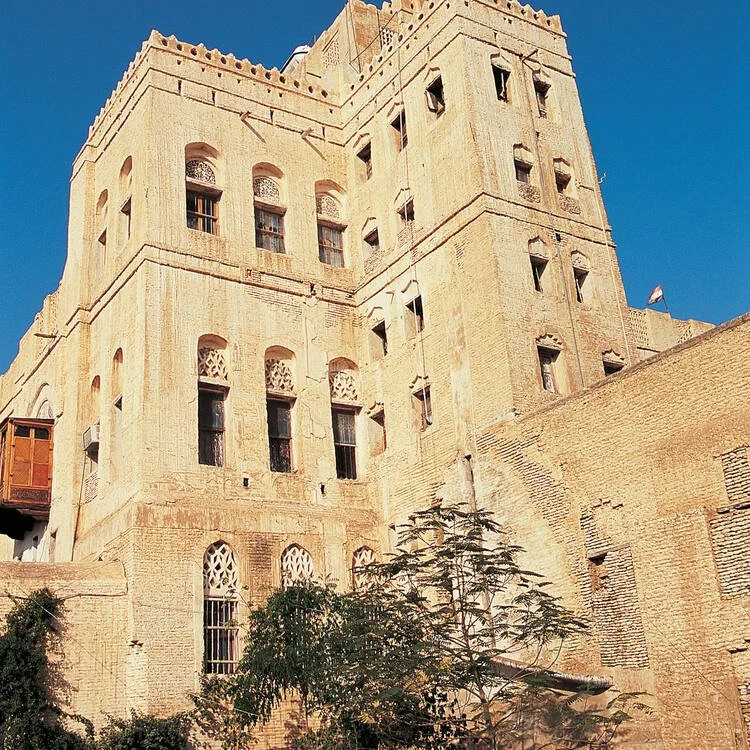
Iranian city of Bam ©UNESCO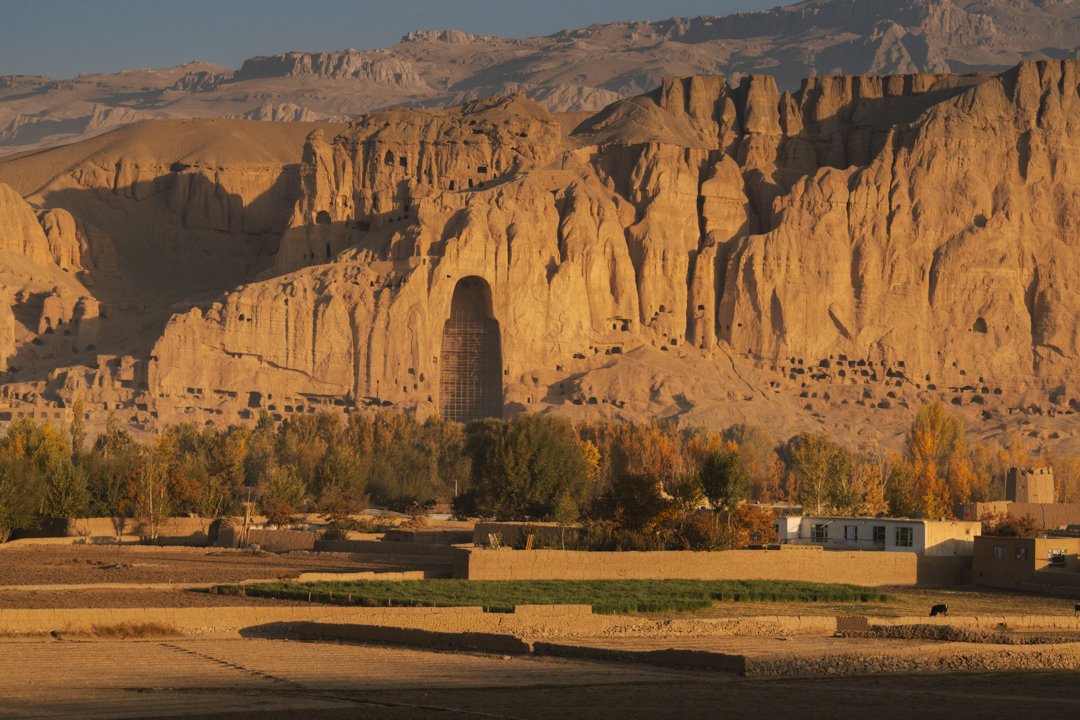
Bamiyan Valley in Afghanistan